Netanyahu Pushes Trump Toward Possible Iran Attack After America’s Midterm Elections Conclude
Netanyahu Pushes Trump As Iran Talks Continue
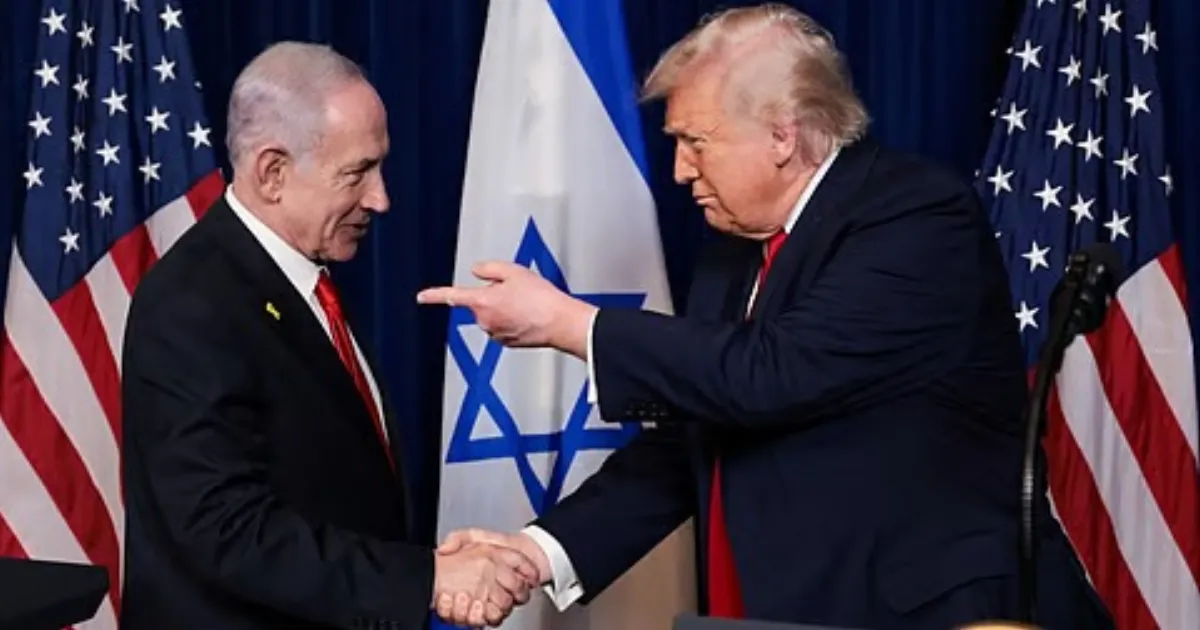
Israeli Prime Minister Benjamin Netanyahu is reportedly urging US President Donald Trump to consider renewed military action against Iran after the November 3 US midterm elections, according to a media report. The reported pressure comes amid continuing tensions between Washington and Tehran, despite diplomatic efforts to prevent another escalation in the Middle East. Israel has consistently described Iran's nuclear programme and regional military activities as major security threats, while the United States has weighed the risks of further military involvement against the possibility of securing a diplomatic agreement. The timing of any potential military action is significant because the US midterm elections could influence Trump's domestic political position and the administration's ability to advance its policy agenda. The elections determine control of seats in Congress and can affect legislative priorities, government spending and oversight of foreign policy.
According to the report, Netanyahu wants Trump to keep the option of striking Iran open after the elections. However, the reported discussions do not establish that the US president has authorised a new military operation or committed to a specific timetable. Any such decision would carry substantial strategic and diplomatic consequences for Washington and its regional partners. The reported pressure from Israel comes as diplomatic efforts continue to explore ways to reduce hostilities. Qatar has been involved in mediation between Iranian officials and representatives seeking to reopen negotiations with Washington. Discussions have reportedly focused on a possible arrangement under which Iran would halt attacks affecting the Strait of Hormuz in exchange for the United States lifting its blockade on Iranian ports. The waterway is one of the world's most important energy transit routes, carrying a substantial share of global oil shipments.
Any disruption could affect crude prices, shipping costs and energy supplies, making the security of the strait a central concern for international markets. Despite these efforts, substantial differences remain between the United States and Iran. Washington has sought restrictions and assurances concerning Iran's nuclear programme and broader regional activities, while Tehran has demanded guarantees against further military attacks and changes to US measures affecting its economy. Iranian officials have indicated that their country remains prepared for both negotiations and confrontation. The competing positions have complicated efforts to establish a lasting agreement, with regional governments concerned that a breakdown in talks could trigger another round of military operations and retaliation. Trump has publicly indicated a preference for a diplomatic settlement but has not ruled out military action.
Also Read: Netanyahu Not Ruling Out Eisenkot Coalition, Report Says
US Secretary of State Marco Rubio has also said that the president had not made a final decision and continued to favour negotiations. The administration faces a difficult calculation: renewed strikes could potentially damage Iranian military capabilities, but they could also provoke retaliation against American forces, Israeli territory or critical infrastructure in neighbouring countries. A wider confrontation could further strain regional security arrangements and complicate efforts to restore stability after months of heightened tensions. For Netanyahu, preventing Iran from strengthening its military capabilities and advancing its nuclear programme has remained a central security priority. Israel has repeatedly argued that international pressure and negotiations must produce meaningful restrictions on Tehran. The Israeli government has also expressed concern about Iran's regional partnerships and the potential threat they pose to Israeli security.
However, the precise nature of Netanyahu's reported communications with Trump, including the scope of any proposed operation and the timing discussed, remains unclear from the publicly available information. The possibility of renewed US military action has implications beyond the immediate confrontation. Oil prices, shipping through the Strait of Hormuz and investor confidence could all react sharply to further escalation. Countries across the Gulf would also face pressure to protect infrastructure and prevent the conflict from spreading. Diplomatic engagement therefore remains important even as military options continue to be discussed. Whether Washington and Tehran can reach an arrangement will depend on their willingness to address disagreements over security, sanctions and nuclear restrictions. For now, the reported Israeli push adds uncertainty to an already fragile situation, but no confirmed decision to launch a new US attack on Iran has been established.
Also Read: Netanyahu Falls Short of Majority in Israel Election: What Happens Next and What It Means for India