Classes 1 And 2 In Bihar To Get Regional Language Instruction From Academic Year 2026-27
Bihar plans regional language education for students in two primary grades.
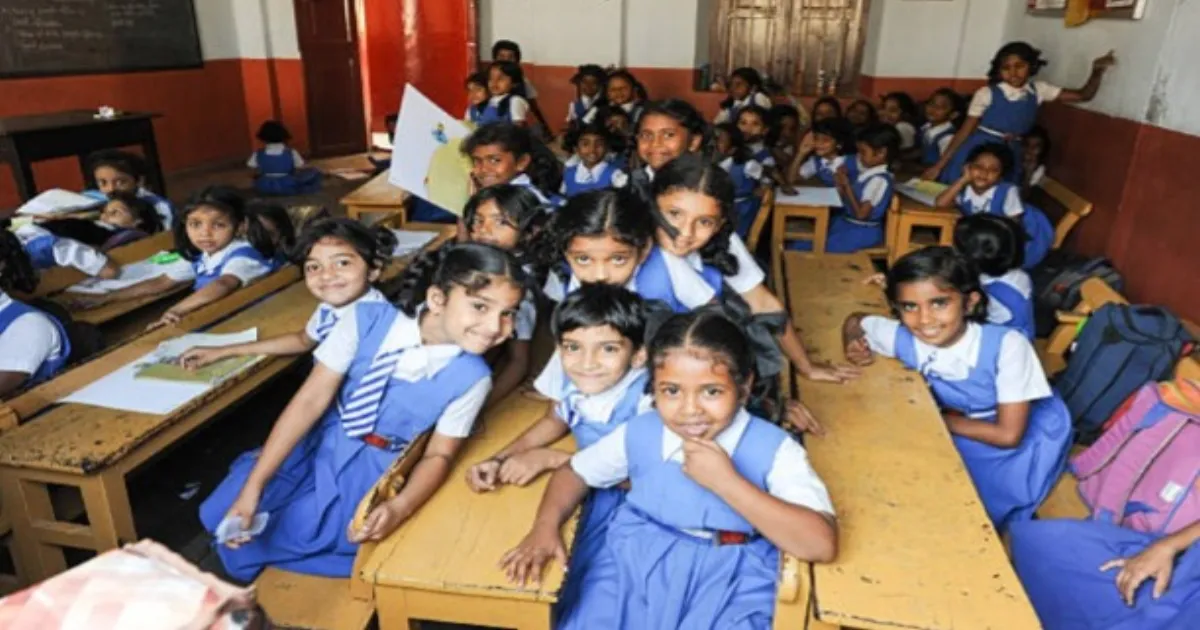
The Bihar government has announced that regional languages will be introduced for students of Classes 1 and 2 in all state-run schools from the 2026-27 academic session. The initiative aims to strengthen mother-tongue-based education at the primary level and help children learn in languages they are familiar with at home. Education Minister Mithlesh Tiwary said the decision was taken in accordance with the National Education Policy (NEP) 2020, which encourages the use of local and regional languages during the foundational years of schooling.
The initiative will cover six regional languages: Bhojpuri, Magahi, Surjapuri, Bajjika, Maithili and Angika. The State Council of Educational Research and Training (SCERT), Bihar, has been assigned the responsibility of preparing textbooks in all six languages. The books are being developed in consultation with teachers and language experts to ensure that the content is appropriate for young learners. Students will be introduced to one regional language based on the linguistic context of their respective areas.
Bihar Education Minister Mithlesh Tiwary said the move would help improve children's understanding of basic concepts by allowing them to learn through familiar languages. The National Education Policy recommends that the medium of instruction should preferably be the home language, mother tongue, local or regional language until at least Class 5, wherever possible. The policy aims to make early education more accessible while promoting multilingualism and preserving India's linguistic diversity.
Also Read: Bihar Gas Pipeline Explosion: Several Injured, One Person Feared Dead
SCERT Director Yatendra Kumar Pal confirmed that the textbook development process for Classes 1 and 2 was underway. He said the council was working with teachers and experts proficient in the six identified languages to prepare the learning materials. Jainendra Kumar Dost, an SCERT lecturer coordinating the workshops, said one workshop had already been organised, with two more planned to finalise the textbook content and ensure its suitability for classroom teaching.
The initiative is also expected to help children connect classroom learning with their local surroundings, traditions and cultural practices. According to SCERT representatives, students will have opportunities to learn about regional festivals, fairs, occupations, agriculture and farming through familiar languages. This approach is intended to make the transition into formal schooling more natural, encourage classroom participation and improve children's confidence in expressing themselves.
The Bihar government also plans to extend regional language education to students of Classes 3 to 5 in a subsequent phase. Textbooks for these grades will be developed as part of the expansion. With the introduction of regional languages at the foundational level, the state aims to make government school education more inclusive while strengthening the use and preservation of its linguistic heritage.
Also Read: One Month, One Mission, Samrat Choudhary’s Drive For A Drug-Free Bihar